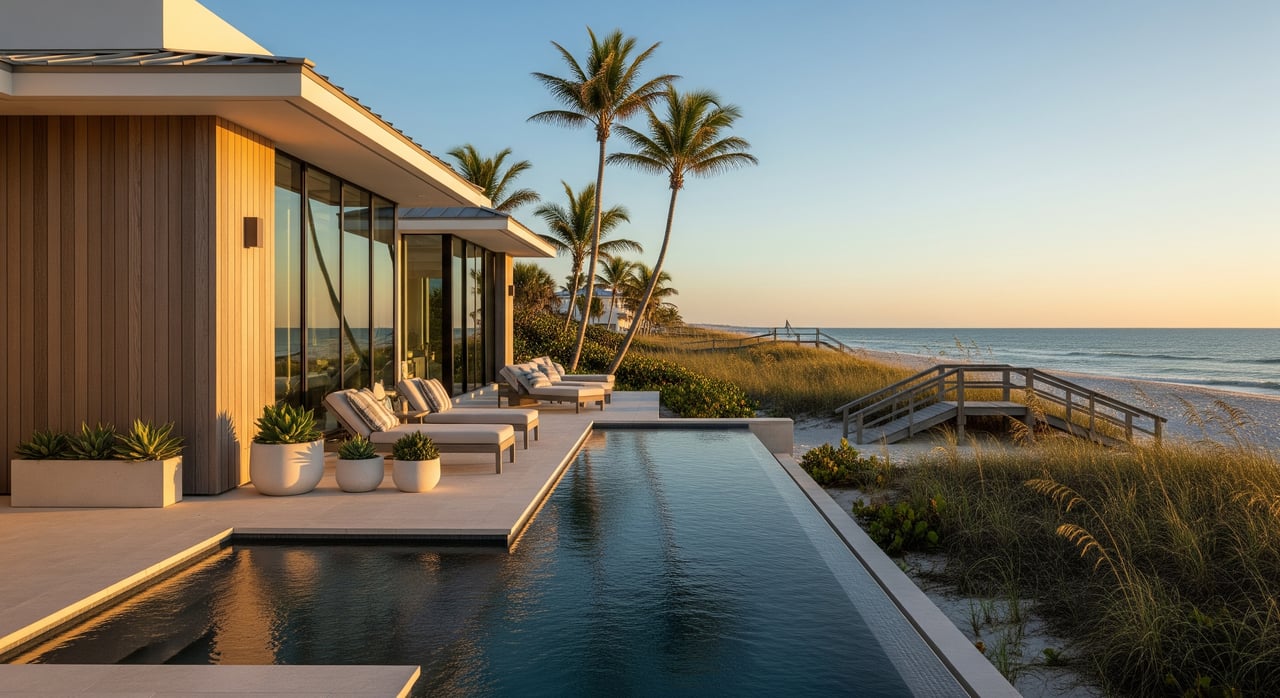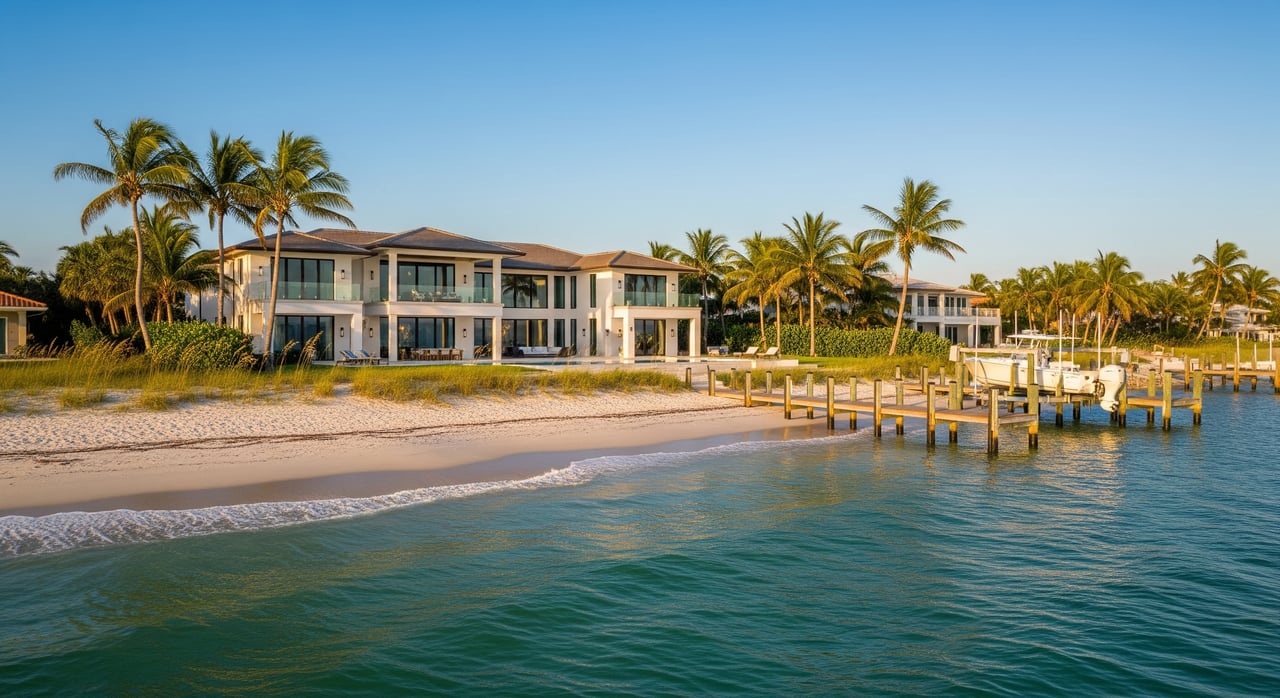
You want the beach, the boat, and the best views. On Longboat Key, that dream usually comes down to three choices: Gulf‑to‑Bay, Bayfront, or Canal. Each delivers a different mix of boating access, lifestyle, and upkeep. The good news is you can narrow the field quickly with a few practical checks.
In this guide, you will learn what each property type really means on Longboat Key, how boating works from each shoreline, what to expect with maintenance and permits, and a simple framework to match your priorities. You will also get a buyer checklist to use before you write an offer. Let’s dive in.
Property types, defined
Gulf‑to‑Bay
A single lot or residence that reaches both the Gulf of Mexico and the bay or canal system. These are uncommon on Longboat Key because the island is narrow. You get private dock potential on the east side and direct beach access on the west side. Expect to manage both beach and bayside responsibilities.
Bayfront
Property that fronts Sarasota Bay or a tidal bay shoreline. Water is typically deeper than small canals and often allows direct navigation on the bay. Shorelines may include mangroves, seawalls, and private docks.
Canal‑front
Property on a man‑made or natural canal that connects to the bay and Intracoastal Waterway. Canals vary by block in width and depth. Many homes have docks or lifts. Depth at low tide often limits boat size.
Related: Gulf‑front
Faces the open Gulf only. Great for beach and sunset lovers, but it is not the same as Gulf‑to‑Bay because there is no bay or canal frontage.
Boating access and navigation
Longboat Key boaters care most about depth, distance to passes, bridge limits, and local speed zones.
Depth and boat size
- Bayfront generally supports larger boats because the water is deeper and more consistent than narrow canals.
- Canal depth is highly local. Some canals handle moderate powerboats, while others are shallow at low tide. Ask for a depth reading at mean low water in front of the dock and at the canal entrance.
Distance to passes
- To reach the Gulf from Bayfront or Canal homes, you run Sarasota Bay, then exit through an inlet such as Longboat Pass. Your run time depends on how far you are from the pass and the route you take around shorelines.
- Gulf‑to‑Bay owners can choose protected launches from the bay side or quicker Gulf access when conditions are favorable on the beach side.
Bridges and speed zones
- Fixed bridges on routes to the mainland can limit boats with tall masts or towers. Always confirm height restrictions for your typical path.
- Local speed rules and manatee protection zones apply in nearshore waters and canals. These zones affect travel time and how you operate in narrow channels.
Docks, lifts, and mooring
- Docks, lifts, and seawall changes require permits from the Town of Longboat Key or Manatee County, the Florida Department of Environmental Protection, and sometimes the U.S. Army Corps of Engineers for work in navigable waters.
- Long‑term anchoring in front of private property is limited. Most owners use docks or slips for regular mooring.
Views and day‑to‑day living
Views and exposure
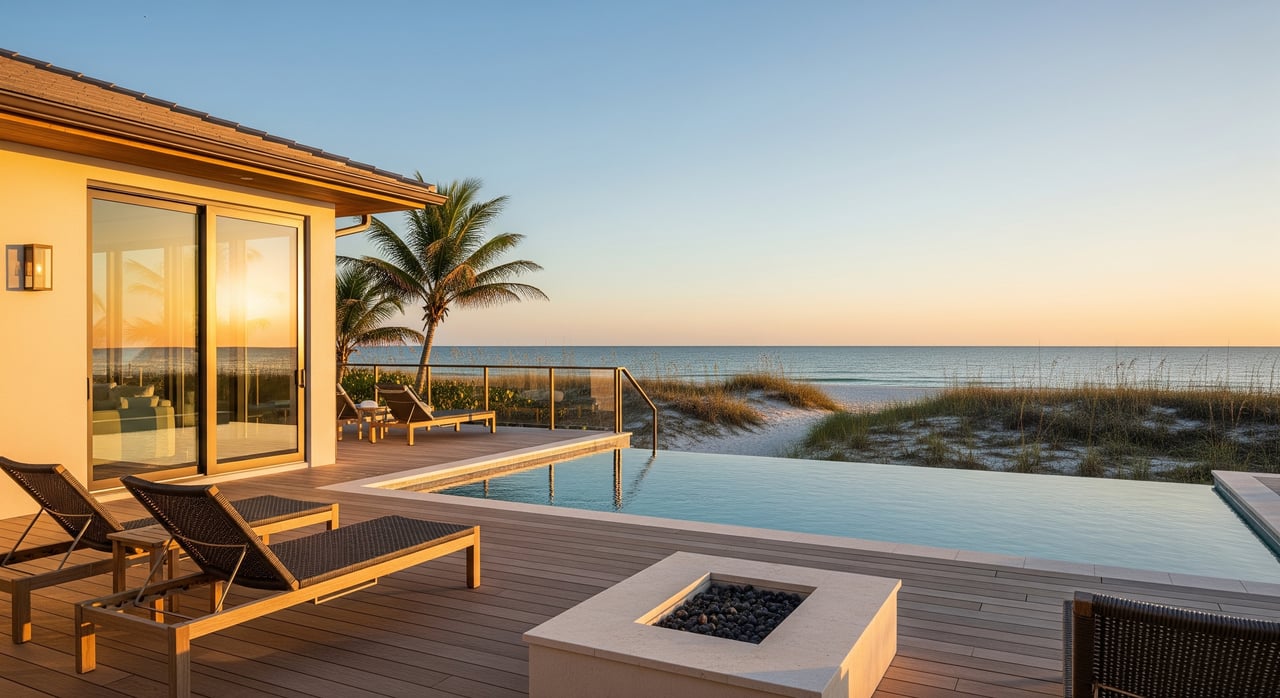
- Gulf side delivers wide horizons, sandy beach frontage, and sunset views. It also brings more wind and wave energy.
- Bayfront offers broad water panoramas to the east, calmer surfaces, and frequent mangrove or seagrass edges that soften wave action.
- Canal‑front is more intimate and sheltered, with neighbors across the waterway and frequent dock views.
Recreation and wildlife
- For beach time and swimming, the Gulf is your go‑to when conditions are safe. Bay and canals shine for kayaking, paddleboarding, and inshore fishing.
- Bay and canals often attract manatees, shorebirds, and seagrass habitats. The Gulf hosts marine life tied to beaches and surf.
Privacy and activity
- Gulf‑front may experience more public beach activity and seasonal crowds.
- Canal‑front can be quieter but closer to neighboring docks and occasional boat traffic in tight waterways.
- Bayfront usually sits in the middle, with moderate privacy and some nearby parks or marinas in certain areas.
Water quality notes
- Red tide and algal blooms can affect Gulf and bay waters at times. Bay and canals may experience warm‑season stagnation in shallow or poorly flushed areas. Conditions vary by season and storm activity.
Maintenance, permits, and insurance
Your shoreline determines both the work and the approvals you should expect.
Seawalls and shoreline structures
- Bayfront and Canal‑front owners typically maintain the seawall or bulkhead. Replacement or raising requires permits and inspections.
- Gulf‑side erosion and dune management fall under Florida’s Coastal Construction Control Line. Gulf‑to‑Bay owners should plan for responsibilities on both sides of the lot.
Docks and lifts
- Private docks and lifts need permits. Expect periodic maintenance due to corrosion and marine borer activity. Materials, piles, and hardware require regular checks in saltwater.
Dredging and canal care
- Restoring canal depth is a regulated activity that can involve high permitting and construction costs. Programs, if any, may involve multiple owners. Canal depth is not guaranteed unless there is an established maintenance plan.
Flood risk and insurance
- Most of Longboat Key lies in FEMA flood zones common to barrier islands. Lenders often require flood insurance, and elevation certificates are standard for underwriting.
- Gulf‑facing and lower elevation sites can carry higher wind, storm, and flood exposure, which may raise premiums and deductibles.
Regulatory overlays
- Florida’s Coastal Construction Control Line governs Gulf‑side work such as new construction and dune activity.
- Mangroves are protected. Trimming or removal requires permits and qualified contractors, and aesthetic view cuts are rarely approved.
- The Town of Longboat Key and Manatee County set rules for docks, lighting, setbacks, and seawall standards.
Match property types to your priorities
Use this simple framework to focus your search.
- If your priority is beach lifestyle and sunsets: choose Gulf‑front or the Gulf side of a Gulf‑to‑Bay property. Tradeoffs include higher storm exposure and more public activity.
- If your priority is protected boating and flexible inshore or offshore runs: choose Bayfront, especially near navigational channels. Tradeoffs can include mangrove or seagrass shoreline and fewer sandy beaches.
- If your priority is privacy, value, and protected dockage for small or medium boats: choose Canal‑front. Tradeoffs include possible depth limits and closer neighbor proximity.
- If your priority is maximum flexibility with both beach and dock: choose Gulf‑to‑Bay. Tradeoffs include rarity, higher upfront cost, and dual maintenance and permitting.
Buyer due diligence checklist
Request and review these items before you commit:
- Recorded plat and deeded riparian rights to confirm water access and any easements.
- Current as‑built survey showing mean high water line, seawall location, and dock.
- Dock and seawall permits, plus recent inspection and maintenance history.
- Water depth readings at mean low water at the dock and at the canal entrance.
- Canal dredging history for the block and any planned public maintenance.
- Seawall materials, age, repair record, and any encroachments.
- FEMA flood zone designation, elevation certificate, and current flood and wind insurance costs.
- CCCL or coastal permitting status for Gulf‑side work, and mangrove protection notes for Bayfront sites.
- HOA or condo rules on docks, lifts, and boat storage, if applicable.
- Recent claims history related to flood or wind.
- Any beach nourishment assessments that could obligate owners.
- Local speed and manatee zones that could affect your intended boating use.
Quick scenarios
- You own a 35‑foot center console and want fast offshore runs. Bayfront is your most practical choice, especially if you are close to a channel and pass. Gulf‑to‑Bay can also work if you accept dual responsibilities.
- You want a quiet setting with a lift for a 24‑foot boat, plus great paddleboarding. Canal‑front fits well, but verify depth and canal shoaling history at low tide.
- You want the beach at your back door and sunsets every night. Gulf‑front or the Gulf side of a Gulf‑to‑Bay lot is the match. Budget for coastal permitting and higher insurance.
- You want beach and boat access for multigenerational use. Gulf‑to‑Bay gives you both, with the most complexity in permits and upkeep.
Local permitting on the Manatee side
For properties in the Manatee County portion of Longboat Key, plan to coordinate with the Town of Longboat Key and Manatee County Building and Development Services for docks, seawalls, and related work. Many projects also involve the Florida Department of Environmental Protection and the U.S. Army Corps of Engineers. Review timelines early so you can schedule contractors and avoid seasonal restrictions related to protected species.
A trusted path forward
Choosing among Gulf‑to‑Bay, Bayfront, and Canal on Longboat Key is about matching your boating needs, your daily lifestyle, and your appetite for maintenance and regulation. When you pair clear priorities with the right local due diligence, you can move with confidence and secure the waterfront that truly fits.
If you want a calm, concierge experience and access to exclusive island inventory, connect with Kathy Callahan for tailored guidance on Longboat Key waterfront purchases.
FAQs
What is a Longboat Key Gulf‑to‑Bay home?
- A single property that reaches both the Gulf beach on the west side and the bay or canal system on the east side, giving you beach access and potential dockage.
How do I know if a canal is deep enough for my boat?
- Ask for recent depth soundings at mean low water at the dock and canal entrance, and confirm local shoaling history with nearby marinas or contractors.
Who handles seawall or canal dredging costs?
- Seawalls are typically the owner’s responsibility. Canal dredging can be private or part of a public program with assessments, so review records and ordinances for the block.
Can I trim mangroves to improve my Bayfront view?
- Mangroves are protected in Florida. Trimming or removal requires permits and qualified contractors, and aesthetic cuts are rarely approved.
Do Gulf‑side properties need special coastal permits?
- Yes. Work shoreward of Florida’s Coastal Construction Control Line usually requires state review, along with local permits.
Will I need flood insurance for a Longboat Key waterfront home?
- Most barrier‑island properties fall within FEMA flood zones. Lenders often require flood insurance, and an elevation certificate helps determine rates.