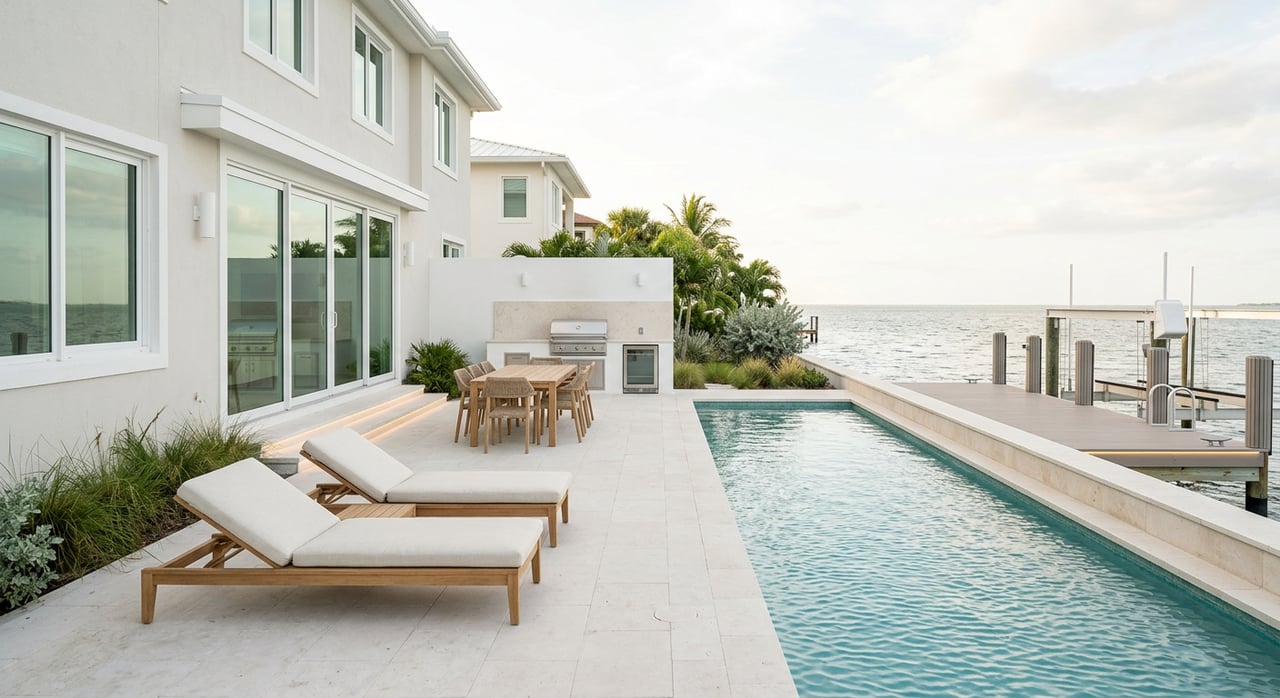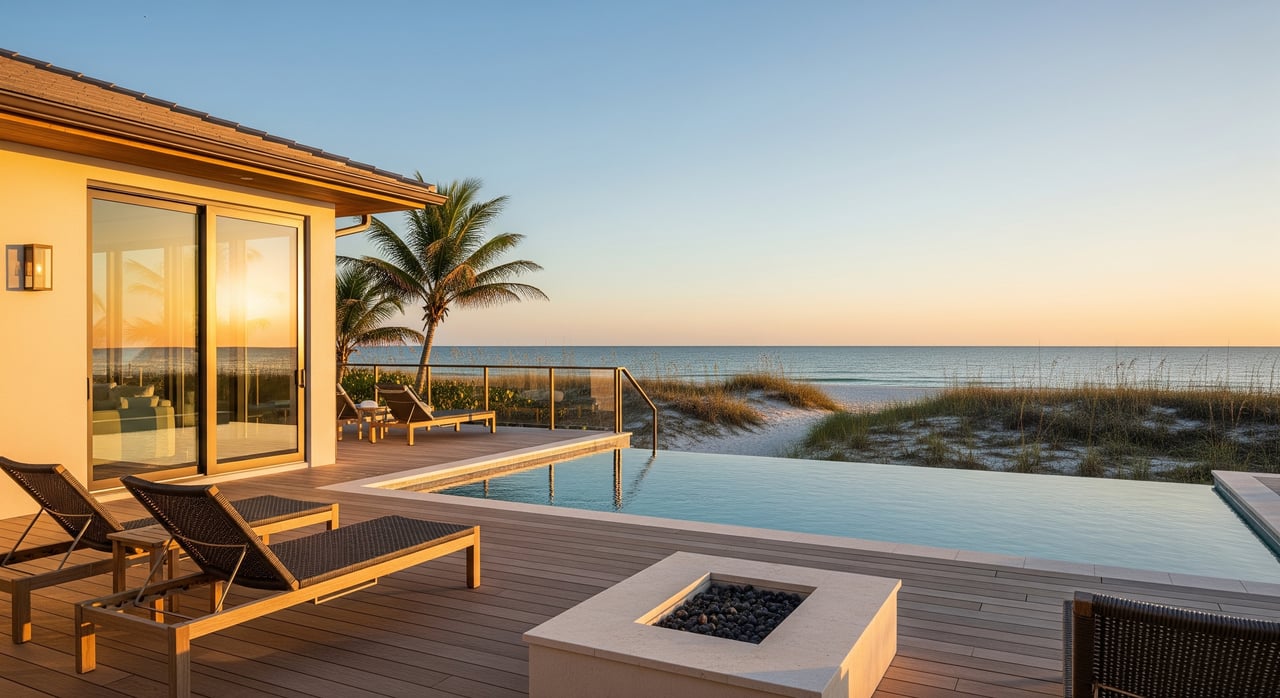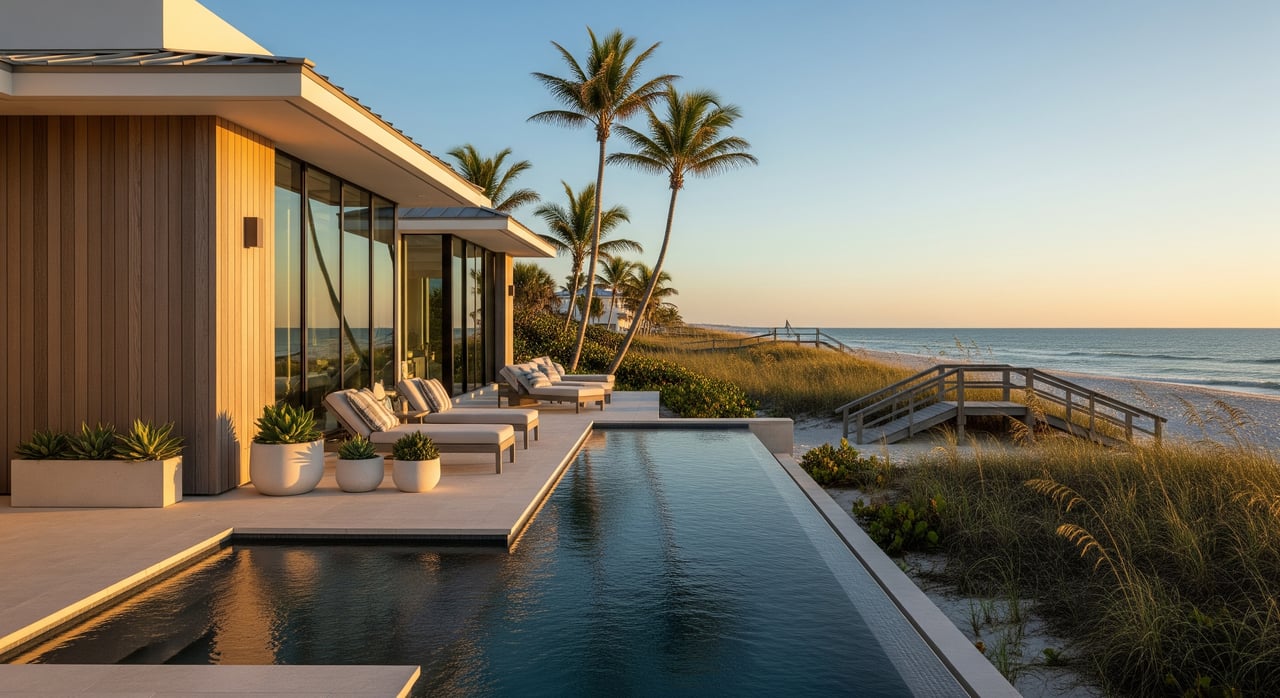
Two gulffront homes on Manasota Key can look similar at a glance yet sell for very different prices. If you’re weighing a list price or drafting an offer, understanding what truly drives value will save time and help you avoid costly missteps. In this guide, you’ll learn the core factors that move the number on Manasota Key, how to verify them, and a simple framework you can use to price with confidence. Let’s dive in.
The gulffront value formula
Lot width and linear Gulf frontage
Wider frontage is one of the biggest price drivers because it expands private beach feel and the width of your view. Buyers often think in terms of price per linear foot of Gulf frontage. Measure frontage using deeded dimensions, not road width, especially on irregular or curved shorelines. Verify frontage through parcel maps, the property appraiser’s records, and recent gulffront sales.
Dune depth and beachfront continuity
A deeper, vegetated dune acts like a natural buffer against surge and helps preserve usable beach area. Homes with broad, healthy dunes tend to be more marketable to long‑term owners. Review recent aerials and look at changes over time. You can scan historical imagery and consult beach management resources, including project updates from the Florida Department of Environmental Protection.
Beach access ownership and type
Direct, deeded private access carries a premium over shared or public access. Shared easements can be a good middle ground but reduce exclusivity. Confirm access by reviewing the deed, title commitments, HOA covenants, and any recorded easements. The goal is to know exactly who can cross the property and where.
View corridors and orientation
Unobstructed west‑facing views are highly valued for daily sunsets and a wider visual horizon. Angled or partially blocked views trade at a discount. Check current sightlines on site and study neighboring parcels for potential future obstructions. Protected view corridors tied to no‑build areas or conservation land tend to support pricing.
Elevation, FEMA flood zones, and insurance
Site elevation versus Base Flood Elevation, along with FEMA flood zone designation, directly affects insurance costs and some lending requirements. Homes in VE zones typically face stricter standards than those in AE zones. Use the FEMA Flood Map Service Center and request an Elevation Certificate when available. Higher elevation or compliant elevations often translate into stronger buyer confidence and smoother underwriting.
Construction quality and coastal resilience
Coastal exposure rewards robust construction: elevated foundations or pilings, impact‑rated windows, reinforced roofing, and corrosion‑resistant materials. Post‑FIRM or code‑compliant work is a positive. Review permits and major upgrades, and keep an eye on compliance with the Florida Building Code.
Renovation level, systems, and finishes
Turnkey properties command attention and can sell faster. Distinguish between cosmetic upgrades and structural or systems improvements like roof, HVAC, windows, and pilings. Verify through MLS remarks, permit history, inspection reports, and seller disclosures so you understand remaining near‑term capital needs.
Micro‑location along the Key
Street‑to‑street differences matter on Manasota Key. Proximity to amenities, public beach parking, and overall traffic patterns can shift perceived privacy and value. Even short distances can change view quality or beach character. Study recent sales by street to understand the micro‑market.
Income potential and seasonal demand
If short‑term rentals are permitted and a home has a documented rental history, investors may pay a premium. Owner‑occupants often weigh restrictions differently. Confirm current short‑term rental rules and seek objective evidence of occupancy and rates when valuing income potential.
Legal, permitting, and septic versus sewer
Setbacks, coastal construction rules, and wastewater systems can limit what you can build or expand. Properties on septic may face constraints or upgrade costs, which can impact value. Verify with county permitting, health department records, and title documentation before you finalize numbers.
How to price or offer: a simple framework
- Start with gulffront comps
- Pull closed gulffront sales from the last 12 to 24 months. Prioritize similar frontage, orientation, and home size.
- If same‑street comps are scarce, expand radiuses and adjust methodically.
- Adjust for frontage and lot width
- Treat linear feet of Gulf frontage as a primary adjustment factor.
- If per‑foot premiums aren’t clear locally, label your adjustments as minor, moderate, or major.
- Adjust for dune depth and beach condition
- Add value for wide, vegetated dunes and stable beach areas.
- Subtract for narrow dunes, ongoing erosion, or high‑maintenance seawalls.
- Adjust for view and orientation
- Premium for full, unobstructed west‑facing views.
- Discount for partial, angled, or blocked views.
- Adjust for elevation and flood risk
- Note FEMA zone and elevation relative to BFE. Consider ongoing insurance costs and any mitigation needs.
- Adjust for construction quality and renovation level
- Separate cosmetic from structural systems. Permitted, high‑quality work adds more value.
- Adjust for access and exclusivity
- Deeded private access supports pricing. Adjacent public access can reduce perceived privacy.
- Consider income and use
- If short‑term rentals are allowed and documented, weigh income alongside lifestyle use.
- Confirm legal and permitting constraints
- Verify setbacks, septic versus sewer, and any easements or encroachments that affect buildability.
- Reconcile to a price band
- Weigh all adjustments and select a defensible range. Document your sources: closed sales, permits, FEMA data, elevation certificates, and title items.
Local dynamics that can shift premiums
Scarcity and low inventory
Gulffront supply is finite on Manasota Key. Tracking months of inventory specifically for gulffront homes gives you a clearer read on negotiating power and expected days on market.
Erosion, renourishment, and public works
Storm events and natural cycles can change beach width and dune health. Scheduled nourishment or maintenance can stabilize conditions and support values. Monitor program updates and coastal project details from the Florida Department of Environmental Protection.
Insurance market and lending standards
Flood and wind insurance pricing affects monthly costs and buyer appetite. Lenders often add scrutiny for VE‑zone properties. Early diligence on elevation, flood zone, and wind mitigation features helps prevent surprises during underwriting.
Short‑term rental regulation changes
Investor demand can shift quickly when rules change. Always confirm current Charlotte County standards and any island‑specific guidance before underwriting rental income.
Sea‑level rise and long‑term risk
Some buyers focus on near‑term enjoyment while accounting for long‑term coastal risk in price. Use the NOAA Sea Level Rise Viewer to understand potential scenarios and plan resilience investments.
Common trade‑offs on Manasota Key
- Wide frontage but lower elevation: You might enjoy a broader view and beach feel yet face higher insurance and mitigation costs. Price accordingly after checking FEMA zone and BFE.
- Older cottage with excellent dune and view: Strong lifestyle appeal can offset dated interiors, but factor in systems upgrades and code compliance. Permitted improvements carry more weight than cosmetic refreshes.
- Direct private access next to a public path: You’ll have deeded control to the sand, yet proximity to public access can affect privacy. Balance exclusivity with convenience when comparing comps.
Seller checklist: prepare to defend your price
- Verified frontage and lot dimensions: recent survey or recorded plat.
- Elevation Certificate and flood information: FEMA panel and zone, BFE.
- Permit history and major upgrades: roof, windows, pilings, HVAC, seawall where applicable.
- Access documentation: deeded beach access, easements, HOA covenants.
- Septic or sewer details: capacity, age, and any upgrade notes.
- Dune and beach condition evidence: recent aerials, photos, and any DEP project references.
- Recent gulffront comps and a written adjustment summary.
Buyer checklist: diligence before you offer
- Confirm FEMA flood zone and request the Elevation Certificate.
- Inspect structure and systems with coastal specialists when possible.
- Review permits and code compliance under the Florida Building Code.
- Verify beach access rights and any recorded easements.
- Check septic or sewer status and potential costs.
- Map view corridors and study neighbor development patterns.
- For rentals, confirm current rules and request documented income history.
Ready for a pricing strategy you can trust?
Manasota Key gulffront can command significant premiums when frontage, dunes, views, and resilience align. A disciplined, document‑backed approach helps you capture that value as a seller or avoid overpaying as a buyer. If you’d like a private consultation and a tailored price or offer range, connect with Kathy Callahan for white‑glove guidance and a clear plan.
FAQs
How should I value Gulf frontage on Manasota Key?
- Start with recent gulffront comps and compare linear feet of frontage, then adjust for dunes, views, elevation, construction quality, access, and legal constraints.
How do FEMA flood zones impact insurance and lending for Manasota Key homes?
- VE‑zone properties typically face stricter standards and higher costs than AE‑zone homes, so verify your zone and BFE at the FEMA Flood Map Service Center.
How can I confirm private beach access on a Manasota Key listing?
- Review the deed, title commitments, HOA covenants, and recorded easements to verify who can cross the property and where.
What should investors check about short‑term rentals on Manasota Key?
- Confirm current county rules and request documented occupancy and rates for comparable properties before capitalizing income in your valuation.
Do beach renourishment projects affect gulffront value on Manasota Key?
- Yes, nourishment that stabilizes dunes and beach width can support pricing; monitor program updates via the Florida Department of Environmental Protection.
Which documents are most helpful when buying a gulffront home on Manasota Key?
- Ask for the Elevation Certificate, recent survey, permit history, disclosures, access easements, and septic or sewer records, plus any wind mitigation reports.