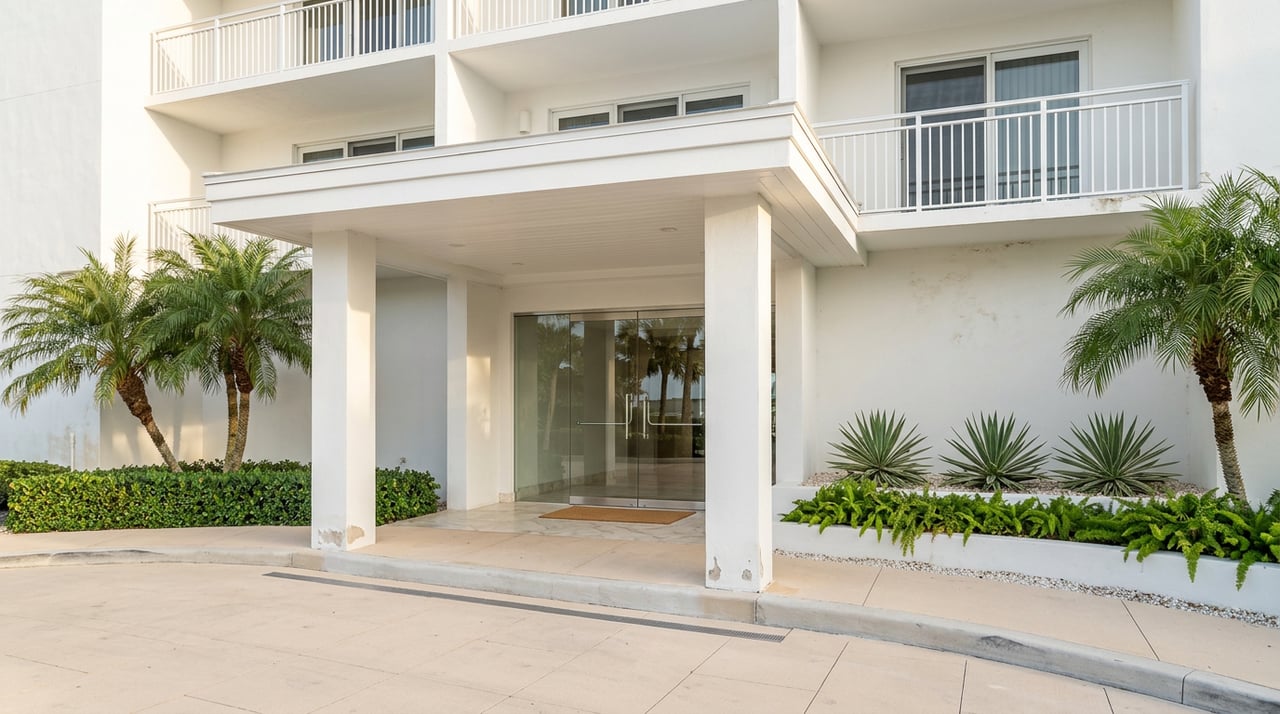
Is your Longboat Key home at its best when the right buyers are in town? Winter brings peak showings and motivated, well-qualified shoppers to the island, which makes timing and preparation essential if you want a smooth sale at a premium price. If you split time between homes or you use your property seasonally, you can still launch with confidence while keeping disruption low. In this guide, you’ll get a practical month-by-month plan built for Longboat Key, plus checklists that protect value and make your listing shine. Let’s dive in.
Why timing matters on Longboat Key
Buyer activity on the island rises with snowbird season, roughly November through April. Many sellers aim to list in late October or November to capture early arrivals and strong winter traffic, or in January and February when touring is brisk. If your goal is to sell in that window, working backward is the smartest way to plan contractors, association documents, staging, and media.
Hurricane season runs from June 1 through November 30, which can affect exterior work, insurance readiness, and photo scheduling. Keep this in mind as you set dates and build slack into your calendar. You can track official storm timing through the National Hurricane Center’s seasonal guidance from NOAA.
Your month-by-month plan
This timeline assumes a late October to mid November launch. If you prefer a January or February debut, shift the steps proportionally.
9–12 months out (May–August)
- Set your strategy and budget. Choose your target listing week and outline funds for repairs, light updates, and staging. Select a listing agent with barrier-island and luxury expertise who can advise on pricing and timing.
- Order a full pre-listing inspection. Include structural, roof, electrical, plumbing, HVAC, and pest. Waterfront homes should add dock, piling, seawall, and pool checks. Early inspections give you time to schedule repairs on your terms.
- Verify permits and coastal rules. Before planning exterior or structural work, review the Town’s process for online permitting and inspections. Coastal work can involve added steps, so start consultations early.
6–9 months out (August–October)
- Book specialists and get quotes. Line up roof and HVAC service, pool inspections, electrical panel reviews, and termite treatment. Schedule a wind mitigation inspection, which can help insurers and buyers evaluate risk. Local firms explain how these reports work and the credits they can unlock; learn more about wind mitigation inspections.
- Request condo or HOA documents. If you are selling a condo, Florida’s Condominium Act outlines what buyers receive. Begin gathering declarations, bylaws, financials, FAQs, and plan ahead for estoppel certificates and fees. See the statute for context on Chapter 718 documents.
- Confirm rental status and compliance. If your home or condo is used as a seasonal rental, the Town’s Residential Rental Registry requires registration, a life-safety inspection, and posting of the certificate inside the unit. Advertising must include the certificate number. Review the Town’s Residential Rental Registry requirements and gather any state or county tax registrations.
10–12 weeks out (September–October)
- Complete high-impact updates. Finish roof, seawall, or major system work now. Repaint in light neutrals, refresh flooring in high-wear areas, and consider targeted kitchen or bath updates where ROI justifies it. For condos, confirm scope and approvals with your association. Refer back to the Town’s online permitting and inspections page for timelines.
- Deep clean and declutter. Store personal items, secure valuables, and plan lock-and-leave arrangements. If you will be in residence part-time, a hybrid approach that pairs selective staging with your existing pieces keeps disruption low.
4–6 weeks out (mid-October)
- Stage the spaces that sell. Prioritize the living room, primary bedroom, and kitchen. Industry research shows staging influences buyer perception and can help reduce days on market. If you are occupying the home, schedule short staging windows or choose partial staging and virtual options to minimize impact.
- Assemble flood and wind files. Buyers appreciate easy access to elevation certificates, wind mitigation reports, insurance declarations, and records of repairs. You can search for on-file elevation certificates through the Town’s Elevation Certificate Search.
1–2 weeks out (late October–early November)
- Capture premium media. Book professional photography for bright interiors and golden-hour exteriors. For luxury properties, add drone aerials, a 3D tour, and a cinematic video. For best practices on timing, angles, and shot lists, see these tips for luxury real estate photography.
- Build the buyer packet. Create floor plans, a property website, a glossy brochure, and a private broker packet with association docs, rental history, and financials. If the home has been rented, include the Town rental certificate number per the Residential Rental Registry.
Listing week
- Final polish. Fresh landscaping touches, light checks, quiet scenting, and restrained flowers go a long way. Install a smart lock or lockbox, finalize showing instructions, and confirm your property manager or a local contact can meet vendors as needed.
- Launch and expand visibility. Consider a broker preview or curated outreach to top agents. Layer in distribution to luxury channels and targeted advertising that reaches qualified buyers. For ideas, explore effective luxury real estate marketing tactics.
Maintenance and technical checklist
For coastal luxury homes and condos, buyers will review documentation carefully. Organize a clean, shareable folder with:
- Full pre-listing inspection report and proof of completed repairs.
- Roof age, service receipts, and any recertifications.
- Seawall, dock, or piling surveys if waterfront. Florida law guides permitting for water management structures, so plan ahead using Chapter 373 references.
- Pool and spa service records and safety devices.
- HVAC servicing logs and pest or termite treatment receipts.
- Wind mitigation report and date of inspection. For context on insurer credits, review this overview of wind mitigation inspections.
- Flood-related documents: elevation certificate, flood policy declarations, and any Letters of Map Amendment or Revision. The Town’s Elevation Certificate Search can save time.
Staging, media, and remote-buyer readiness
Out-of-state and international buyers often begin online. Investing in presentation helps your listing stand out and keeps in-person traffic efficient.
- Focus your staging. Even modest enhancements in key rooms make photos brighter and scale more apparent. Neutral textiles, edited surfaces, and balanced seating groups let Gulf views and natural light take center stage.
- Produce immersive media. A 3D tour and aerials give remote buyers confidence. For best practices on shot timing and high-end execution, see these luxury photography guidelines.
- Elevate property storytelling. Pair your visuals with a property website, polished brochure, and targeted distribution. Strategic placements and agent-to-agent outreach can increase qualified traffic. Explore proven luxury marketing ideas.
Legal and operational reminders for seasonal owners
- Town rental registry. If you have rented for less than six months, you must register with the Town, complete the required inspection, post the certificate inside the property, and include the certificate number in ads. Review the Town’s Residential Rental Registry to ensure full compliance before going to market.
- Condo resale documents. Get ahead of association timelines and fees by requesting declarations, bylaws, budgets, recent financials, FAQs, and the estoppel certificate well before listing. Florida’s Condominium Act, Chapter 718 outlines what buyers expect.
- Tenant-occupied showings. If a tenant is in place, coordinate through your property manager and follow Florida entry rules. Written notice is best practice, and 24 hours is commonly treated as reasonable for showings. Review state-specific guidance on landlord entry for showings.
- Insurance and storm planning. Buyers will ask about elevation certificates, wind mitigation, past claims, and current policies. Have documents organized, and schedule exterior work and media to avoid peak storm risk using seasonal insights from NOAA’s hurricane center.
Owner-friendly ways to minimize disruption
Selling a seasonal or second home can be seamless if you set a plan that respects your calendar.
- Appoint a local point person. A property manager or trusted contact can meet inspectors, contractors, and photographers so your schedule stays flexible.
- Use smart access. Smart locks or a coded lockbox with time-bound codes improves security and simplifies vendor visits.
- Stage with restraint. Partial staging or curated rentals for just the key rooms keeps your living areas comfortable when you are in residence. Virtual staging can enhance secondary spaces without changing your setup.
- Block smart showing windows. Concentrate showings during specific time windows each week and lean on high-quality media to prequalify buyers.
- Store once, not twice. Arrange off-site storage for personal items early. Label by room so you can reverse the process quickly after closing if needed.
If you list after the holidays
A January or February debut can still capture excellent winter traffic. Emphasize immediate occupancy or quick closing options, keep seasonal curb appeal fresh, and ensure your listing’s media shines for remote shoppers who may plan quick, targeted visits.
A thoughtful timeline, complete documentation, and polished presentation are the formula for a confident sale at a strong price. With island-specific guidance, concierge vendor coordination, and best-in-class marketing, you can launch with ease and protect value.
Ready to tailor this plan to your property and calendar? Connect with Kathy Callahan for a confidential strategy session and a white-glove path to market.
FAQs
When should I start preparing my Longboat Key home for a winter sale?
- Begin major inspections, permit checks, and contractor scheduling 6 to 12 months before your target listing week so repairs and approvals finish on your timeline.
Do I need to register my seasonal rental before I list it for sale?
- Yes. Longboat Key requires registration, a life-safety inspection, and posting of the certificate, plus inclusion of the certificate number in advertising. Review the Town’s Residential Rental Registry.
What documents do coastal buyers expect in Longboat Key?
- Elevation certificate, wind mitigation report, insurance declarations, association resale and financial documents, and any recent inspection or repair records. Use the Town’s Elevation Certificate Search to locate on-file certificates.
How do showings work if my condo is tenant-occupied?
- Coordinate through your manager and follow Florida entry rules with written notice. Twenty-four hours is commonly treated as reasonable for showings. See guidance on landlord entry for showings.
Is hurricane season a reason to delay exterior work or photos?
- Often yes. Plan exterior projects and hero shots for calmer fall and winter weeks. Track official timing and advisories through NOAA’s hurricane center.
Do I really need to stage an occupied luxury home?
- Yes. Even partial staging in the living room, primary bedroom, and kitchen can improve photos and buyer perception while keeping your daily routine intact.